What Nobody Tells You About Cabo Verde 2026
The Cabo Verde national football team is Africa’s most efficient island-nation football project, representing Cabo Verde in CAF competition from the Atlantic archipelago off West Africa. The Blue Shar...

What Nobody Tells You About Cabo Verde 2026
The Cabo Verde national football team is Africa’s most efficient island-nation football project, representing Cabo Verde in CAF competition from the Atlantic archipelago off West Africa. The Blue Sharks, governed by the Federação Cabo-verdiana de Futebol, have turned a population of roughly 600,000 into a competitive AFCON side through diaspora scouting, compact defending, and fast transition play. They reached the Africa Cup of Nations quarter-finals in 2013 and 2023, and global outlets such as ESPN track Cape Verde scores, fixtures, and match data under the CPV abbreviation. Their rise matters for 2026 World Cup followers because small-margin teams often create betting value when markets overrate squad size and underrate tactical discipline. Treat Cabo Verde as a serious matchup study, not a novelty pick, before making predictions.
Are the Blue Sharks still underestimated? Yes. Cabo Verde has built a modern national-team model around smart recruitment, tactical discipline, and players developed across Portugal, France, the Netherlands, and other European systems. That gives the side a deeper technical base than its population size suggests. For readers of Goal Moments, the key lesson is simple: evaluate Cabo Verde by structure and matchups, not by country size or historical reputation.
Photo by rachid Azzouzy on Pexels
Want sharper World Cup context before the next fixture list drops?
Is Cabo Verde really a 2026 World Cup dark horse?
Yes, Cabo Verde is a credible 2026 World Cup dark horse because its results no longer look like isolated upsets. The team reached AFCON quarter-finals twice, in 2013 and 2023, and regularly competes with stronger African sides through compact spacing, disciplined pressing triggers, and efficient counterattacks.
The first mistake analysts make is treating Cabo Verde like a sentimental underdog. The better framework is to treat the Blue Sharks as a matchup-specific opponent. Against possession-heavy teams, Cabo Verde often accepts long spells without the ball, protects central zones, and then attacks through wide runners. Against less organized opponents, it pushes higher and uses second balls to turn pressure into territory. According to the team profile on Wikipedia, Cabo Verde’s international identity has developed steadily since independence-era football structures matured into a regular CAF presence.
For betting and prediction work, the most useful metric is not only goals scored. It is game-state control. Cabo Verde rarely needs 60 percent possession to look comfortable. A 0-0 at halftime can be a positive game script for the Blue Sharks if the opponent’s fullbacks are pushed high and the central midfield starts losing recovery speed. That is why Goal Moments tracks match tempo, substitution windows, and defensive line height when reviewing Cabo Verde fixtures. For more tactical context, see our [Internal Link: 2026 World Cup tactical betting guide].
How does Cabo Verde handle AFCON knockout pressure?
Cabo Verde handles AFCON knockout pressure by reducing chaos. The team usually narrows the pitch without the ball, forces opponents wide, and protects the penalty spot. That approach produced quarter-final runs in 2013 and 2023, proving the Blue Sharks can survive high-pressure tournament football.
The 2023 AFCON run gave a clear tutorial for reading this team. First, check the opening 15 minutes. If Cabo Verde wins midfield duels early, it settles quickly and avoids emotional defending. Second, watch the distance between the back four and the deepest midfielder. When that gap stays compact, opponents struggle to find clean central shots. Third, track how often the wingers receive facing forward. If they get three or more open transition carries before halftime, Cabo Verde has already created the match conditions it wants.
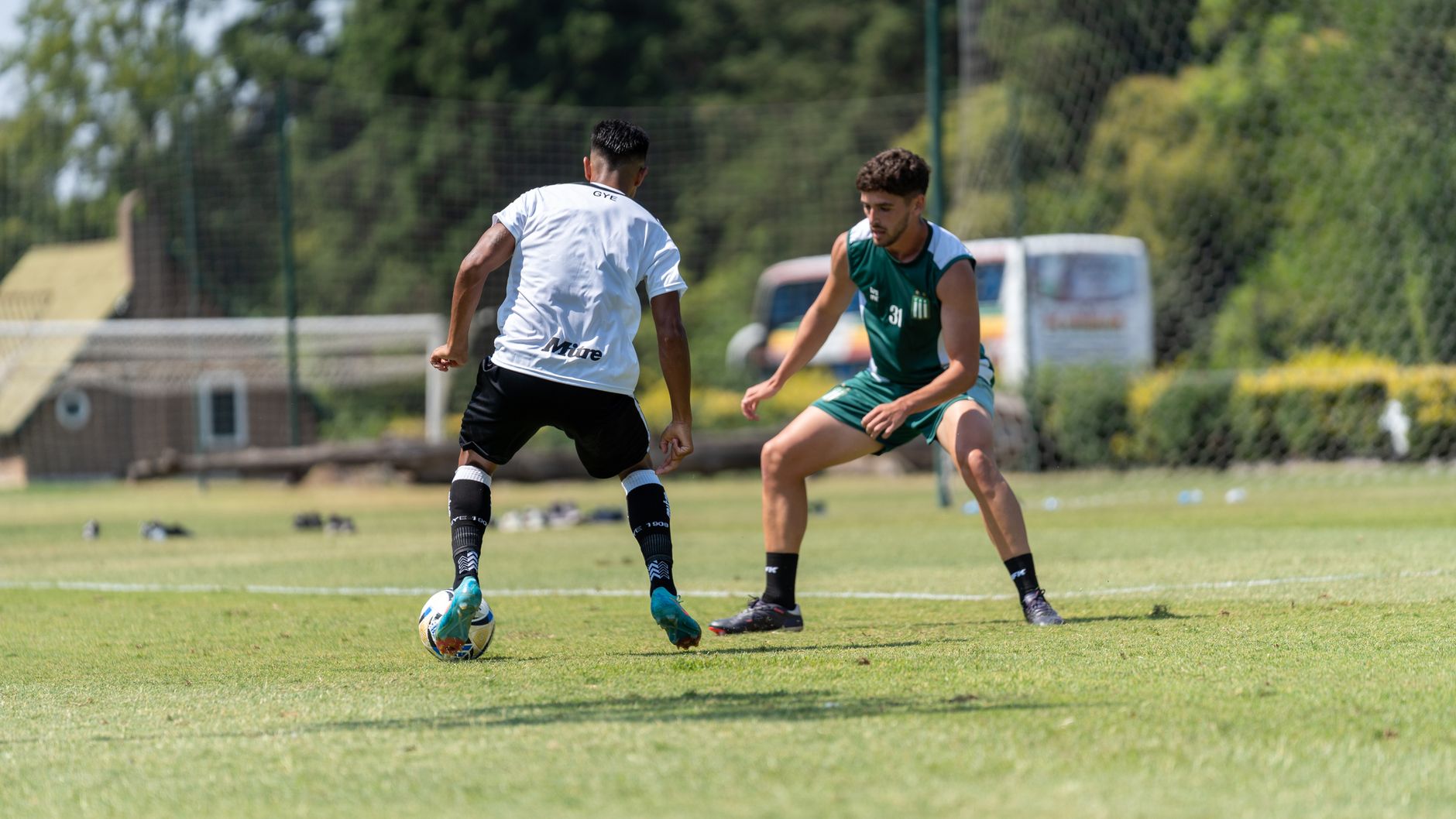
Photo by Franco Monsalvo on Pexels
See the details behind smart tournament reads before placing your next prediction.
A practical scouting checklist helps bettors and fans avoid lazy assumptions:
- Check whether Cabo Verde starts with a double pivot or a more aggressive midfield three.
- Compare the opponent’s fullback positioning after minute 20.
- Track set-piece volume, especially corners and wide free kicks.
- Watch the first substitution, because Cabo Verde often shifts tempo rather than simply replacing tired legs.
- Avoid judging the team only by possession share.
This is where many top search results miss the point. Cabo Verde’s edge is not just “team spirit.” It is role clarity. Many players operate in European club systems, so they understand pressing cues, rest-defense positioning, and tactical fouls. The Confederation of African Football describes AFCON as the continent’s leading national-team competition, and Cabo Verde’s repeated progress in that environment shows repeatable competence. For further reading, use our [Internal Link: Africa Cup of Nations team form tracker].
What about Cabo Verde’s diaspora player edge?
Cabo Verde’s diaspora edge is real because many eligible players develop in stronger football markets before joining the national team. Portugal is especially important, but France, the Netherlands, Luxembourg, and Switzerland also matter. This expands the talent pool far beyond the islands’ domestic league.
The operational insight is simple: Cabo Verde’s scouting model reduces the disadvantage of population size. A country with roughly 600,000 residents cannot rely only on domestic depth. Instead, the federation benefits from family heritage networks and multilingual football pathways. Players trained in Lisbon, Rotterdam, Paris, and Marseille bring different tactical habits, then the national team compresses them into a pragmatic tournament style. This creates a squad that often looks more club-like than expected during international windows.
There is one edge case bettors should track closely. Diaspora-heavy squads can start slowly during short camps because automatisms need time. Cabo Verde often looks better in the second match of an international window than in the first, especially when travel fatigue affects European-based players. That does not mean the team is weak. It means timing matters. If the market prices Cabo Verde only on the previous result, the second fixture can offer better value. For broader player evaluation, check our [Internal Link: player stats and scouting reports].
Where does Cabo Verde fail?
Cabo Verde fails when forced to chase matches early against physically dominant teams. The structure is strongest at 0-0 or 1-0. Once the Blue Sharks must open large spaces, their defensive compactness weakens and opponents get clearer transition chances through midfield.
The biggest tactical risk appears after conceding first. Cabo Verde can attack, but it is not built to turn every match into a high-volume shooting contest. When opponents score early and then sit deeper, the Blue Sharks need more creativity between the lines. That is where the absence of an elite chance creator can become visible. Crosses increase, central combinations decrease, and the match becomes easier to defend.

Photo by Franco Monsalvo on Pexels
Another failure point is squad continuity. International football punishes teams when key defenders miss windows, and Cabo Verde has less margin for injuries than giants such as Nigeria, Senegal, Morocco, or Egypt. The FIFA competition framework states that World Cup qualification is organized through confederation pathways, which means Cabo Verde must survive CAF’s demanding travel, climate, and opponent variety. In that setting, one suspension in central defense or defensive midfield changes the entire risk profile.
Get started with sharper matchup analysis instead of surface-level score picks.
For 2026 World Cup betting coverage, Goal Moments separates Cabo Verde risk into three buckets:
- Low risk: matches where Cabo Verde can defend first and counter into space.
- Medium risk: matches where Cabo Verde has more possession than usual.
- High risk: matches where Cabo Verde concedes early and must break down a low block.
That structure matters because public betting markets often react to names, not styles. A famous opponent does not automatically create a bad Cabo Verde bet. A less famous but physically direct opponent can be more dangerous if it wins aerial duels and forces defensive clearances. The best approach is to price the game state before pricing the reputation.
Should you try Cabo Verde analysis today?
Yes, you should analyze Cabo Verde today if you follow AFCON, CAF World Cup qualifying, or 2026 betting markets. The team offers clear tactical patterns, measurable matchup signals, and enough volatility to create value when public perception lags behind performance.
Start with a simple five-step routine. First, identify the likely formation. Second, compare travel distance and rest days. Third, review the opponent’s set-piece strength. Fourth, check whether Cabo Verde’s wide players are fit and starting. Fifth, wait for lineups before committing to any prediction. This patient method works better than reacting to rankings alone, because Cabo Verde’s value depends heavily on game script.
Here is the contrarian conclusion: Cabo Verde is not always best as an emotional underdog pick. Sometimes the smarter angle is the under, the halftime draw, or a narrow handicap position if the opponent struggles to create central chances. ESPN’s Cape Verde page tracks scores and schedules, while Goal Moments adds interpretation around tactics, player form, and market movement. To build your own process, save our [Internal Link: match prediction checklist for football bettors].

Photo by www.kaboompics.com on Pexels
Cabo Verde’s story is bigger than one tournament. It is a case study in how a small nation can use diaspora networks, disciplined coaching, and tournament pragmatism to compete above its demographic weight. The Blue Sharks still have limits, especially when chasing matches, but they punish lazy analysis. For 2026, treat them as a structured football team with identifiable strengths, not a romantic surprise.
Follow Goal Moments for daily 2026 World Cup insights, team tactics, and data-led previews.
Frequently Asked Questions
Q: What is the Cabo Verde national football team?
A: The Cabo Verde national football team represents Cabo Verde in men’s international football. It is governed by the Federação Cabo-verdiana de Futebol and competes in CAF tournaments, including AFCON and World Cup qualifying. The team is commonly nicknamed the Blue Sharks and is known for disciplined defending, transition attacks, and strong diaspora recruitment.
Q: How did Cabo Verde become competitive in African football?
A: Cabo Verde became competitive by combining diaspora scouting with compact tournament tactics. Many players develop in Portugal, France, the Netherlands, and other European football systems before representing Cabo Verde internationally. This gives the national team a technical and tactical base that is stronger than population size alone suggests.
Q: Is Cabo Verde good enough for the 2026 World Cup?
A: Cabo Verde is good enough to be taken seriously in the 2026 World Cup race. The team has reached AFCON quarter-finals in 2013 and 2023, which proves it can handle tournament pressure. Qualification still depends on CAF group results, injuries, travel conditions, and performance against direct rivals.
Q: What is the difference between Cabo Verde and Cape Verde in football?
A: Cabo Verde and Cape Verde refer to the same national team. “Cabo Verde” is the country’s official name used internationally, while “Cape Verde” remains common in English-language sports databases and older references. ESPN, FIFA pages, and news outlets often use either form depending on style guidelines.
Q: How should beginners analyze Cabo Verde matches?
A: Beginners should analyze Cabo Verde by checking formation, defensive compactness, set pieces, and transition chances. Start with the first 15 minutes, then track whether the Blue Sharks keep midfield spacing tight. If Cabo Verde gets repeated wide counterattacks, the match is usually moving toward its preferred script.
Q: Why does Cabo Verde sometimes struggle despite strong organization?
A: Cabo Verde struggles when it concedes early and must chase the match. The team is strongest when it controls space, protects central areas, and counters into open field. Against deep defenses, it can lack the elite creative passing needed to break down compact low blocks.
Q: Is following Cabo Verde betting analysis free?
A: Basic Cabo Verde news and scores are free on major sports sites, but deeper betting analysis often requires specialist coverage. Goal Moments focuses on 2026 World Cup predictions, player stats, and tactical context for fans who want more than score updates. Always combine analysis with responsible bankroll management and local gambling laws.